
The World’s Cruelty and Human Responsibility
Narcissus and GoldmundThe plague and persecution force Goldmund and Narcissus to confront suffering that religious order and personal goodness cannot simply explain or prevent.
increasing Bearing strength in each event
 decreasing
Bearing strength in each eventdecreasingDeath Enters the Road
Death Enters the Road
Hunger and Exposure
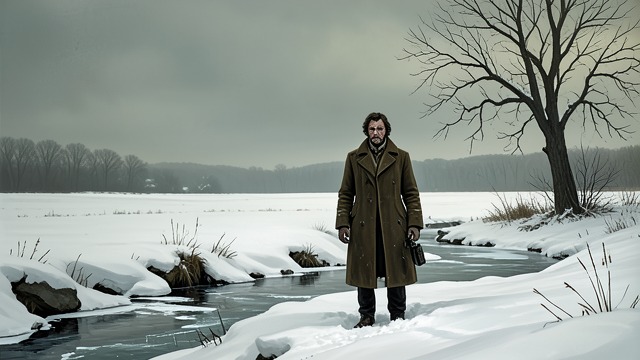
Goldmund experiences cold and starvation as immediate threats, after the murder of Viktor leaves him alone in winter. Survival becomes a bodily struggle rather than an abstract theme.
A Changed Awareness
The ordeal makes mortality part of ordinary travel. Goldmund’s later encounters with mass death build on this firsthand knowledge of vulnerability.
The Plague Farmhouse
The Plague Farmhouse
A Household Lost
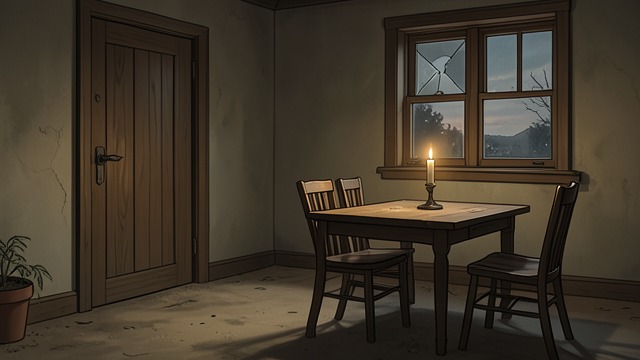
Goldmund finds five dead members of a family in their home. The intact domestic setting makes the disaster feel intimate and inescapable.
Fear Divides the Living
Robert wants to flee, while Goldmund insists they remain together. The first conflict between them reveals how danger tests responsibility as well as courage.
Scapegoats and Mob Violence
Scapegoats and Mob Violence
Fear Seeks a Culprit
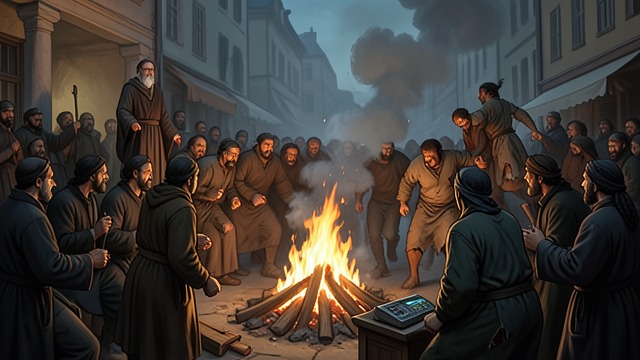
Communities blame Jews, foreigners, the poor, and other vulnerable groups for the plague. Suspicion converts helplessness into accusations and violence.
Witness to Injustice
Goldmund sees innocent people burned and tortured, including the destruction that kills Rebekka’s father. The scale of cruelty makes religious or civic order appear dangerously inadequate.
A Lover Attacked
A Lover Attacked
Violence in the Refuge
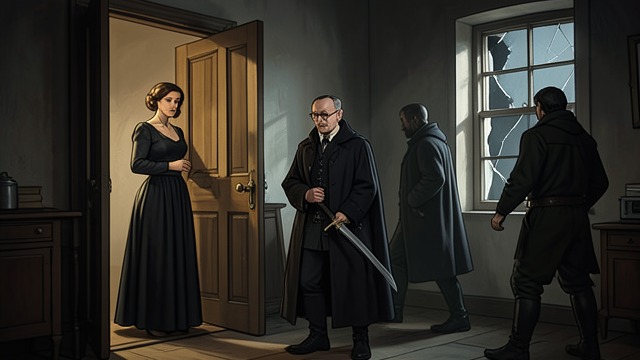
An attacker tries to rape Lene, and Goldmund kills him in a furious effort to protect her. His protective act repeats the lethal force that once saved him from Viktor.
Moral Unease Returns
Lene’s reaction and Goldmund’s memory of earlier violence trouble him afterward. Survival and protection do not prevent killing from becoming a source of sorrow.
Justice Without Explanation
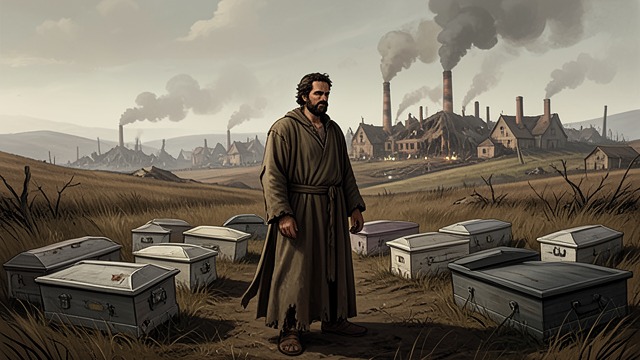
Justice Without Explanation
Goldmund’s Accusation
Goldmund asks how a world filled with plague, persecution, and abandoned corpses can be called good. He challenges the gap between religious ideals and observed suffering.
Narcissus’s Distinction
Narcissus acknowledges human evil but maintains that justice remains a standard by which people can act. Their exchange leaves the problem unresolved rather than explaining away the victims.
During Goldmund’s early winter travels
As Goldmund and Robert enter plague-affected countryside
During the height of the Black Death
During the temporary shelter with Lene
During the journey back to Mariabronn
